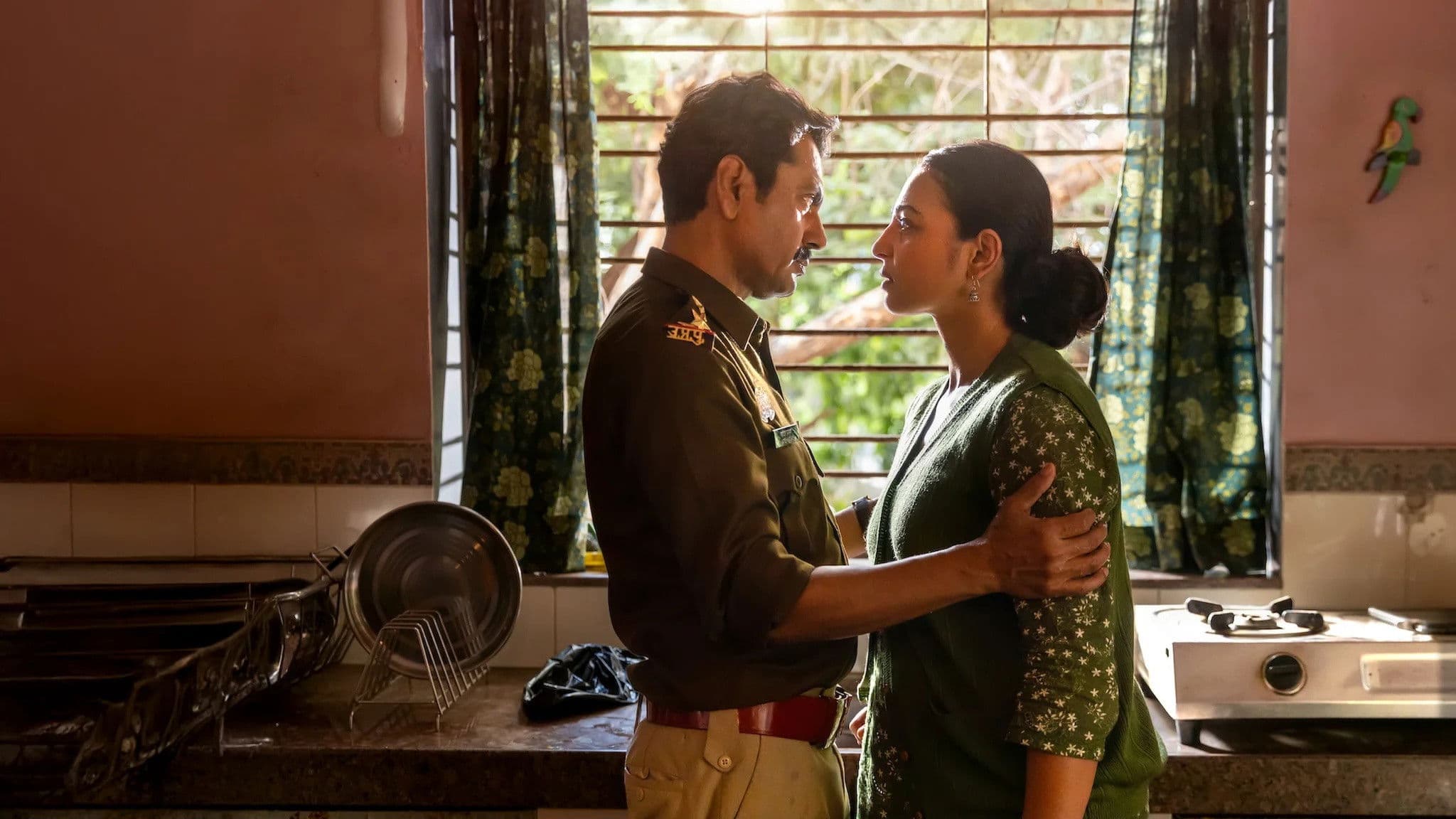
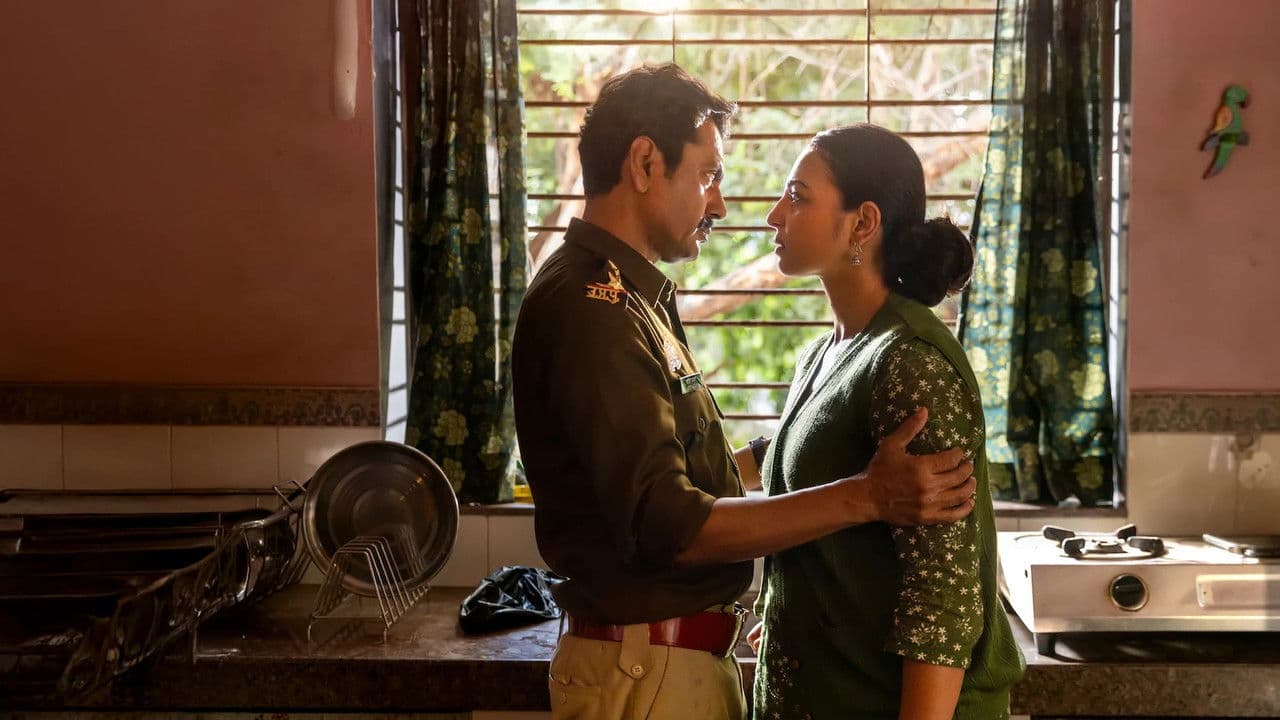
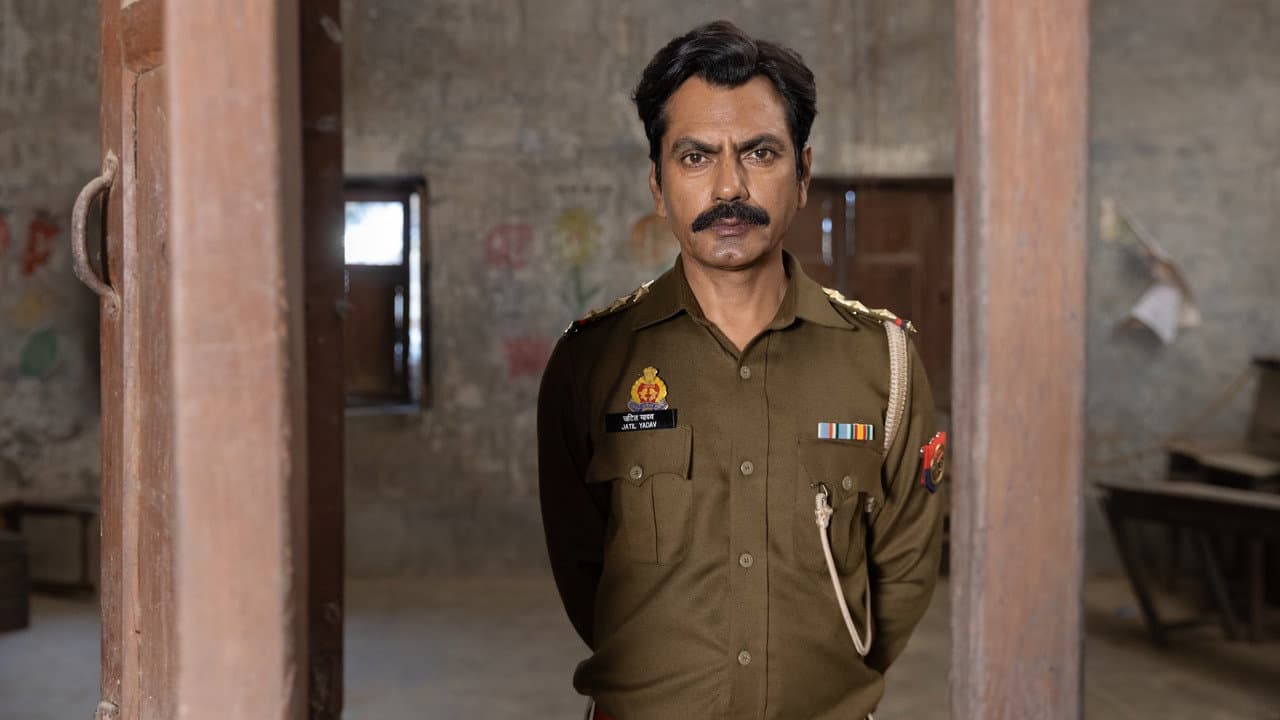
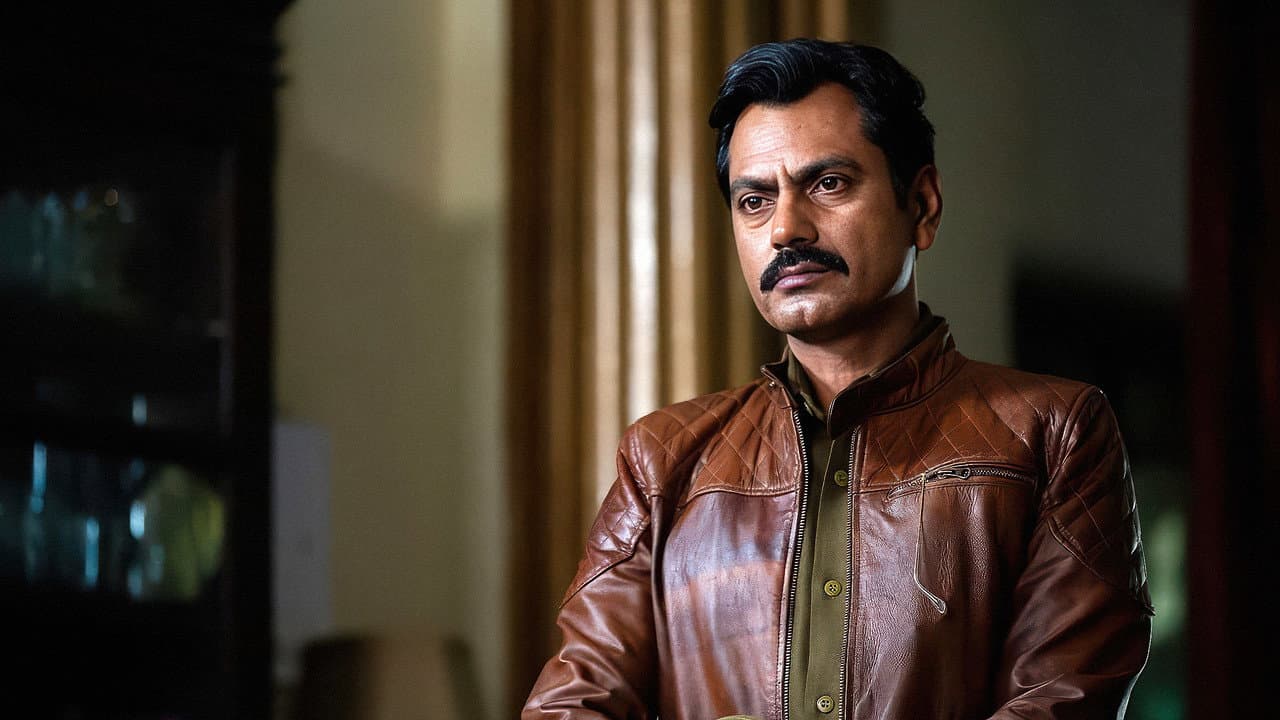
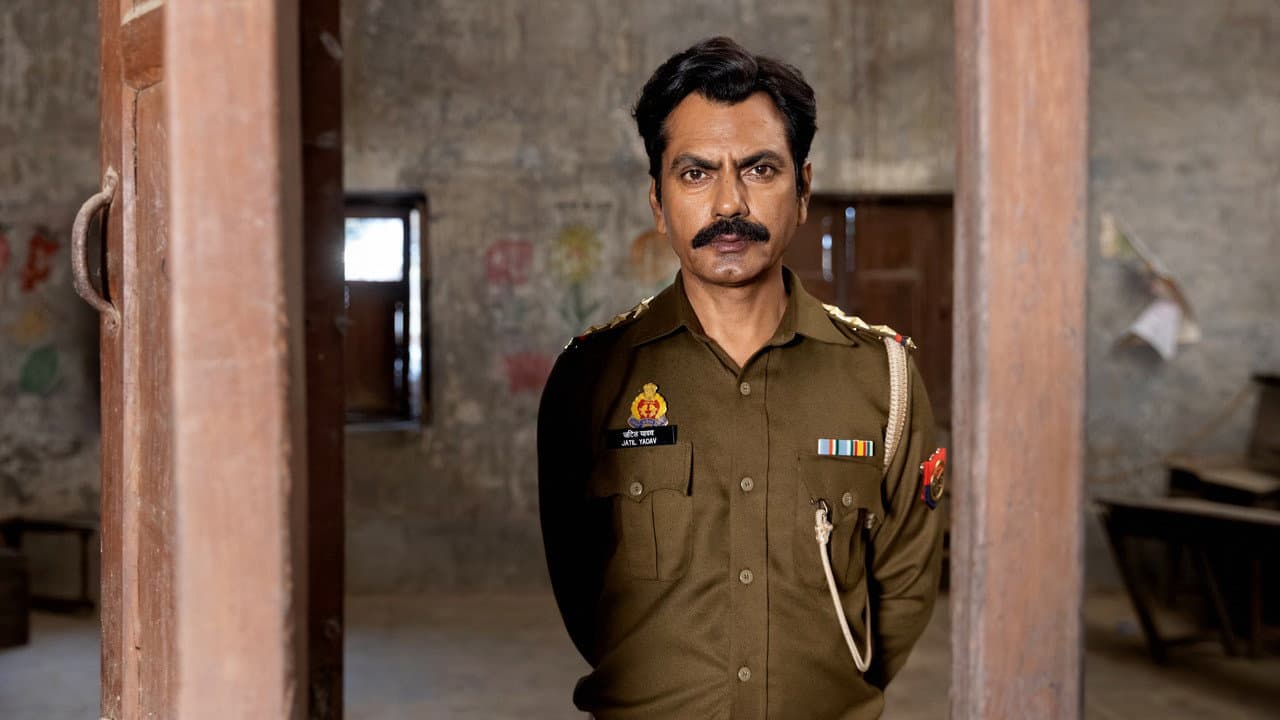
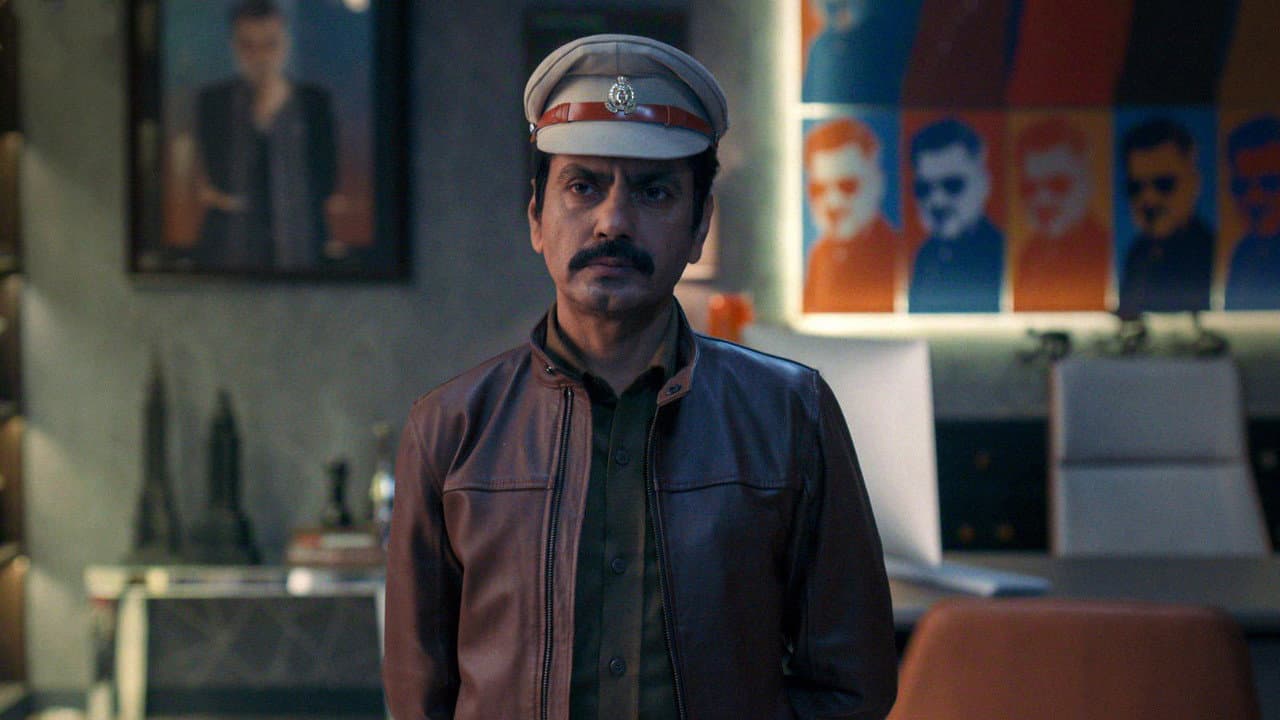
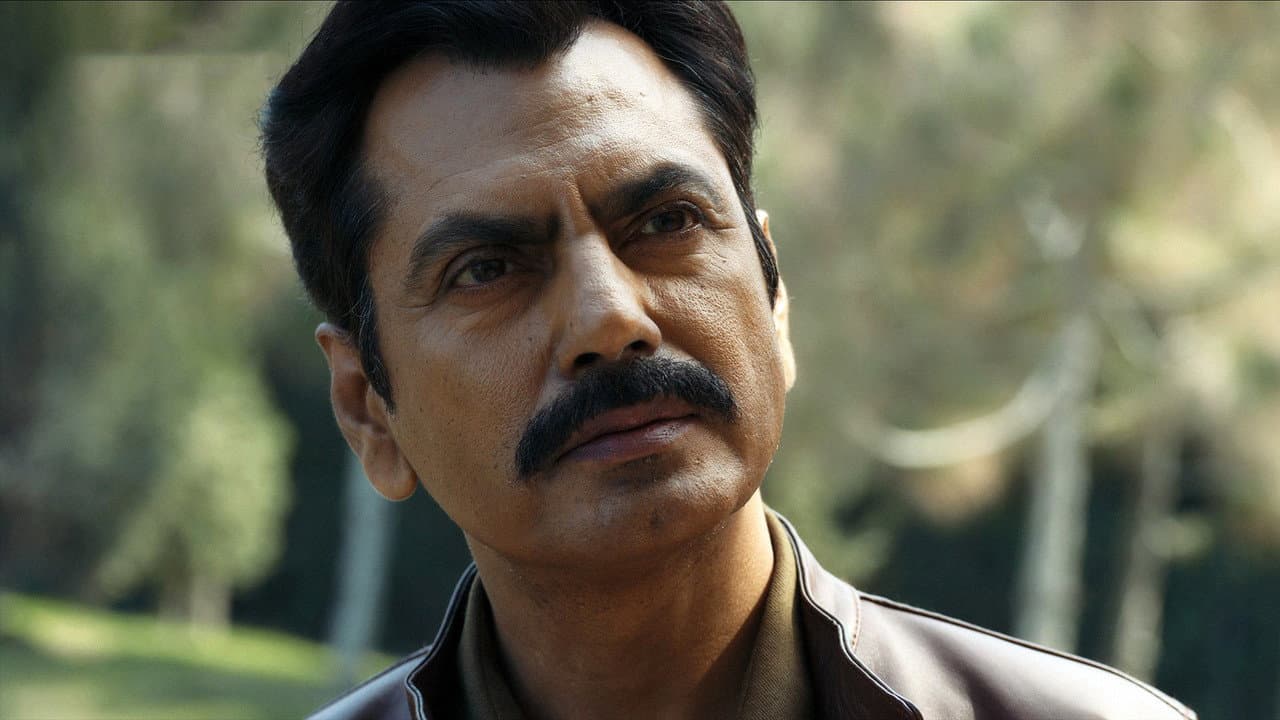
Nawazuddin Siddiqui is the soul of this film, and he’s in fine form. His Jatil Yadav is a man of few words and many tics - a flick of the wrist, a squint, a slow exhale. He doesn’t solve cases with dramatic monologues; he solves them by standing in the rain, staring at a wall, and letting the silence do the talking. There’s a beautiful scene where he interviews Radha, and instead of pressing her, he simply waits, letting her fill the void with her own terror. It’s masterful acting that elevates every scene he’s in.
The supporting cast is uniformly strong. Radhika Apte is appropriately fragile and unreadable - you never quite know if she’s a victim or a puppet master. Chitrangada Singh, as the ambitious Meera Bansal, brings a cold, corporate gloss to her scheming, and Deepti Naval is genuinely unsettling as the spiritual con-woman whose ashrams hide darker transactions. Revathi’s doctor is underused but impactful, and Rajat Kapoor’s smug DGP is a nice counterpoint to Jatil’s righteous grind.
Director Honey Trehan, who previously gave us the excellent Raat Akeli Hai (2020), knows how to build mood. The film is shot in a perpetual drizzle, with gaslit corridors and shadowy verandas that feel both grand and suffocating. The editing is sharp during the investigation, intercutting between witness statements and Jatil’s mental reconstructions. But there’s a problem: the mystery itself is too tangled. Around the halfway mark, the plot introduces a subplot about a missing land deed, a prior suicide, and a connection to a local politician - and the threads start to fray. The final reveal, while clever, feels more like a spreadsheet of motives than a human tragedy. It’s the difference between a puzzle and a story; this leans too hard to the former.
The runtime of 136 minutes also hurts. A thriller this tight should be 110, maybe 115. There are extended sequences of Jatil driving through the countryside that, while pretty, add little. And the film’s climax, set during a religious festival, tries for operatic grandeur but ends up feeling rushed and slightly confused. The ending, which hints at a larger conspiracy, leaves a bitter taste - not because it’s dark (it is), but because it feels like sequel-baiting rather than thematic closure.
That said, when the film clicks, it clicks hard. A sequence where Jatil reconstructs the murder using a stopwatch and a torn curtain is pure cinematic pleasure. The dialogue, often in Hindi or Awadhi, is rendered in sharp English subtitles that capture the wit - “A family that prays together stays together. Yours partied together. Look where that got them.” - without losing the original’s bite.